One 300 mg capsule is a clock, not a handful
Neurontin's postherpetic-neuralgia schedule in US labelling starts 300 mg on day one, 300 mg twice daily on day two, and 300 mg three times daily on day three. Epilepsy ramps are similar in spirit: start low, add a time of day.
The 300 mg capsule is the Zephyra lock because it is the usual first unit. Eight-hundred-milligram tablets are a later high step, not a 'stronger start'.
Renal trims can freeze you at one 300 mg a day. That story is 300 mg when creatinine falls. Parent PK sits on the gabapentin frame.
Day-one 300 mg is one clock. Nine hundred milligrams the first night is how people sleep through a shift and fall on a tenement stair.
If one 300 mg already drops you, hold. The published day-two second capsule serves you; you do not serve it.
Opioids, zopiclone, and whisky turn a 'slow' 300 mg ramp into a brainstem stack. Name them before the climb past 900 mg.
Pregabalin is a new titration, not a 300 mg shortcut. Do not run both. Do not open three capsules into one bowl as a bolus.
Missed 300 mg and the doubling urge
A forgotten lunch 300 mg is not a 600 mg supper. Take the next due capsule. Doubling is how the slow ramp dies.
Travel across time zones: keep roughly eight-hour gaps once you are on TID, not three capsules at the airport.
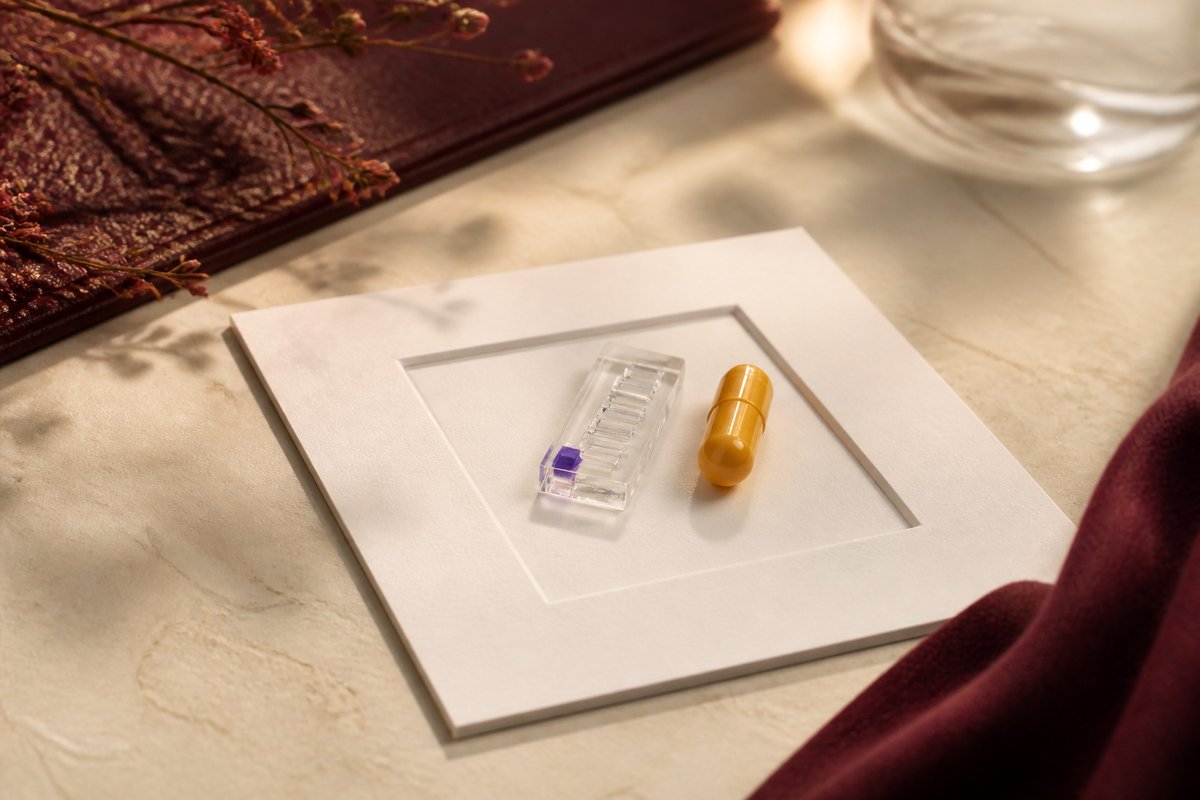
Generic switches change capsule colour. Strength should still read 300 mg. Photograph the new foil if telehealth asks.
300 mg and the first week of stairs
Dizziness on a new 300 mg clock is a fall risk in a tenement stair. Night lights and a banister plan are part of the ramp, not fussiness.
If day-one 300 mg already makes the stair unsafe, hold. That is a successful use of the slow schedule.
Elderly men who add 300 mg to an existing zopiclone are the people we meet with a broken wrist. Name the hypnotic.
Do not 'test' the stair after a whisky to see if the 300 mg is the problem. You already stacked two depressants.
Write any fall on the titration card. A climb past 900 mg after an undocumented fall is how the next fall happens.
What 300 mg TID is allowed to fail at
Neuropathic pain often moves slowly. A week at 900 mg is an early look, not a final verdict. Jumping to 600 mg capsules because Tuesday still burned is a rate problem again.
Sleep may improve before daytime pain. That is useful and is not 'it is only a sedative'. Keep the three clocks.
If pain is unchanged at a labelled ceiling for the kidney, the next tool is not another 300 mg at 03:00. It is a review.
Mood drop on gabapentin is a labelled caution. A new hopelessness on week two of 300 mg TID is a call, not a climb.
Bring a 0-10 pain line for morning and night. Adjectives do not titrate.
When 300 mg is already too much for day one
Creatinine clearance 15 to 29 mL/min often lives on a once-daily 200 to 700 mg band. A 300 mg capsule may still be the unit, but not three times a day.
Clearance under 15 or dialysis uses the renal table plus a post-dialysis extra. Do not copy a 300 mg TID pain-clinic card onto that math.
If the script says 100 mg capsules, that is a different first unit for a reason. Do not 'upgrade' to 300 mg because this site locks 300.
- Write each clock time on the box.
- Name opioids and night sedatives at the same visit.
- Bring eGFR before asking to climb past 900 mg.
Sedation is a rate problem
Gabapentin is not metabolised by the liver in a CYP sense. It leaves through the kidney. The first-week fog is still real. Climbing three 300 mg capsules on night one is how people sleep through Tuesday.
Dizziness, ataxia, and somnolence are the common early effects. They often settle if the clock is patient. They persist if the milligram jumps ahead of the kidney and the brain.
Elderly patients fall. A slow 300 mg ramp is a fall-prevention plan, not timid prescribing.
PHN-style 300 mg ramp
What if day two already feels drunk
Stay on one 300 mg until the fog lifts, then add the second clock. The labelled ramp is a suggestion, not a reflex. Write the hold.
Alcohol, opioids, and benzodiazepines stack sedation. A 'slow' 300 mg ramp on top of oxycodone is not slow in the brainstem.
Do not stop cold after a week at 900 mg because you are tired of the fog. Taper. Abrupt stop after regular use can produce anxiety, insomnia, pain rebound, and - rarely - seizures.
Shifts and the third 300 mg
TID on a 12-hour night shift is a different map than 08:00-14:00-22:00. Ask for written clocks that match the roster.
Do not take all three 300 mg before a night shift 'to be done with it'. That is a 900 mg bolus.
If the third clock lands when you must drive home, hold that clock and call. Sedation plus a van is a review.
Rotating rosters need a new map each block. Copy-paste TID from a day-shift letter onto nights is how people sleep at the wheel.
Occupational health should hear gabapentin 300 mg, not only 'nerve tablets'.
A missed lunch 300 mg on shift is not a 600 mg at handover.
Write the three times on the locker side of the box so a night colleague does not 'help' with an extra capsule.
Pregabalin is not a 300 mg shortcut
Switching to pregabalin because someone said it is 'cleaner' is a new titration, not a 300 mg equivalent. Do not run both.
Liquid gabapentin helps when 300 mg capsules cannot be split for a hold. Ask before you open capsules into yoghurt and guess the milligram.
Antacids can change gabapentin absorption. Space them if the leaflet says so. A failed 300 mg week on heavy antacids is a timing issue.
Opioid taper plus gabapentin climb in the same week is a sedation pile. Stagger if you can.
Keep 300 mg as the named unit on the list so a locum does not switch you to 800 mg tablets as a 'simplification'.
Where 300 mg TID sits on the labelled range
With creatinine clearance at or above 60 mL/min, the total daily range is 900 to 3600 mg, often as 300, 400, 600, 800, or 1200 mg three times daily. 300 mg TID is the bottom of that effective band, not a failed dose.
Pain clinics sometimes sit at 900 mg daily for a week before climbing. That is still three 300 mg clocks. It is not permission to take 900 mg at bedtime because mornings are busy.
Absorption saturates at higher single doses. Spreading 300 mg through the day is pharmacokinetics, not ritual.
Add a clock, not a handful
Day one is one 300 mg unless the kidney says otherwise. If fog is heavy, hold. If fog is light, add the next time of day.
Confirm the ramp with the prescriber. Renal numbers can freeze the climb. This site does not set your daily total.
Add a clock, not a handful. Day one is one 300 mg unless the kidney says otherwise. Fog holds the ramp. Stairs and hypnotics belong in the same sentence as the first capsule.
900 mg at bedtime is a bolus, not a work-around. Night-shift TID needs written times that do not land when you must drive.
If pain is unchanged at a labelled ceiling for the kidney, the next tool is a review, not a 03:00 fourth capsule. Mood drop on week two is a call.
Missed yesterday entirely is a restart of the next due 300 mg, not a double today. Several missed days at a high total may need a re-titrate rather than a jump back to 1800 mg as if nothing happened.
Generic colour changes at 300 mg are expected. Strength changes are errors. Photograph the new foil if telehealth asks what you swallow.
A 300 mg capsule opened into yogurt is a different licensed product conversation. Do not invent a sprinkle because swallowing is hard. Ask for a liquid or a scored plan.
Sources
- Neurontin US PI - PHN 300/600/900 mg day 1-3 ramp; 900-3600 mg/day if CrCl ≥60.
- Neurontin US PI - somnolence/dizziness; taper on discontinuation.
Checked against the current label and reviewed by Dr. Mira Okonkwo. See Capture → Layer → Peer-blur → Publish.